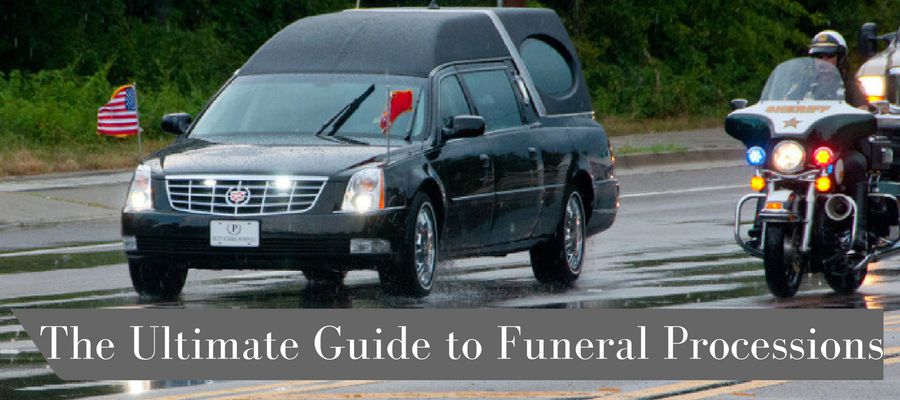
You have likely seen a funeral procession before whether it be on TV, as a pedestrian or you might have even driven in one yourself. A funeral procession is a parade of vehicles transporting adeceased person from a memorial site to their final resting place.
If you have ever attended a funeral service, you are probably familiar with a funeral procession. Typically, when guests arrive to a funeral service, the funeral home or church (or wherever the service takes place) has funeral attendants (staff members of the funeral home) waiting to instruct you where to park your vehicle.
Those vehicles that will be traveling in the procession tend to be parked in rows, with cars being bumper to bumper. If you will not be driving to the burial site in the funeral procession, the funeral attendants might direct you to park in another area.
What you might be less familiar with are the funeral procession laws and etiquette that dictate what exactly you are supposed to do when you are driving in a funeral procession or when you encounter one as a driver.
Fear not, we have you covered. This article will break down everything you need to know about funeral processions, including the history and significance of this tradition, the rules of the road for traveling in a funeral processions and basic etiquette when observing a procession.
TABLE OF CONTENTS
- History of the Funeral Procession
- Funeral Procession Today
- Purpose of the Funeral Procession
- Selecting Cortege Cars
- Driving in a Funeral Procession
- Knowing Funeral Procession Laws
- Encountering a Funeral Procession
- Discovering More Resources
- Finding Grief Support

History of the Funeral Procession
In ancient times, the Roman funeral was considered a rite of passage that signified the transition from life to death.
It was very important in Roman tradition that these ceremonies and burials be conducted properly to avoid evil spirits rising from the underworld.
An important aspect of this ancient funeral tradition was the procession. It was marked by the movement of bodies, both those living as well as the dead, and the noise that the procession generated.
The grander the funeral procession was an indication of the wealth or fame of the deceased person. These processions would often include musicians and professional mourners were paid to participate.
A large number of professional mourners were a symbol of the deceased’s wealth and power.
Clients of the deceased also participated in the procession as a sign of respect to their fallen patron.
Actors wearing masks that attempted to reproduce the deceased’s ancestors and personas formed the next part of the procession.
Ancestor worship was fundamental to Roman’s beliefs about death and the afterlife.
Next in the procession following these actors, was the deceased’s body carried on a bed-like tray, followed lastly by the family members of the deceased.
However, funeral processions have evolved over the years. They started out as people simply walking and carrying the deceased into a place of worship, or from their home to the burial site.
Nowadays, more modern vehicle processions with hearses and limousines being used to transport the deceased and family members, and a ceremonial procession to begin the funeral service.

Funeral Procession Today
So what exactly is a funeral procession?
A funeral procession today is a procession, usually in motor vehicles or on foot, from a funeral home or place of worship to the cemetery or crematorium. More formal terms for the funeral procession are “cortege” or “cortège”.
Funeral processions have a long and rich history. In earlier times the deceased was typically carried by male family members on a bier or in a coffin to the final resting place.
This practice has shifted over time toward transporting the deceased in a hearse, or some other type of special funeral vehicle, while family and friends follow in their vehicles.
The transition from the procession by foot to procession by car can be attributed to two main factors; (1) the switch to burying or cremating the body at locations far from the funeral site; and (2) the introduction of motorized vehicles and public transportation making processions by foot through the street no longer practical.
In any event, a funeral procession today is still focused on honour the deceased.

Purpose of the Funeral Procession
Unlike the past where the funeral procession was an important part of the funeral tradition to prevent evil spirits from rising from the underworld, today, funeral processions are purely ceremonial.
A funeral procession is a visible demonstration of respect for the deceased. By following the hearse carrying the deceased, family members, friends, and even the community show that they are collectively mourning and paying tribute to the life that has passed.
The funeral procession also provides a structured moment for reflection and emotional expression. Moving together in a solemn line allows participants to mentally and emotionally transition from the funeral service to the final resting place, fostering a sense of closure.
Additionally, the funeral procession allows those who are attending the funeral to travel together, providing them with a valuable opportunity to grieve together and to lean on each other for emotional support.
Finally, the funeral procession also acts as a public acknowledgment of loss. It communicates to the community that someone important has passed and invites shared grieving and support, and is a way to include the community in the solemn occasion.

Related Articles





Selecting Cortege Cars For a Funeral Procession
Funeral Homes offer various types of funeral cars to transport the deceased and their family. This includes a hearse or ‘funeral coach’, limousines, sedans, and other funeral service vehicles.
Funeral processions typically incorporate a variety of cortege cars, centered around the hearse (traditional, vintage, or alternative like motorcycle/bicycle hearses) for the casket.
This is then followed by family limousines for mourners, and often including flower cars, specialized first call vehicles (like converted minivans) for pickups, and sometimes escort vehicles.
They all move in a formal cortege from the service to the burial site
Main Vehicles in a Funeral Procession
Funeral Hearse or Coach
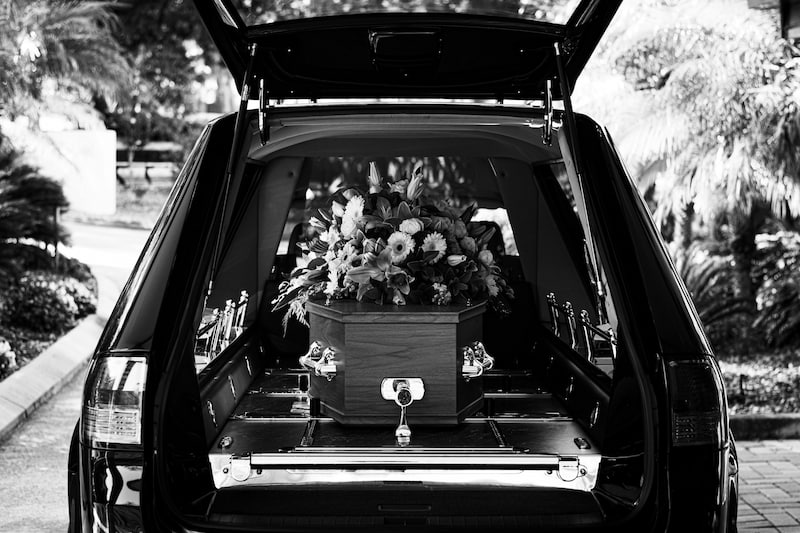
This cortege car is the centerpiece of the procession. It is designed specifically to transport the casket, often a modified luxury sedan or SUV with an elongated chassis and glass viewing area, in black, white, or themed colours.
Limousines
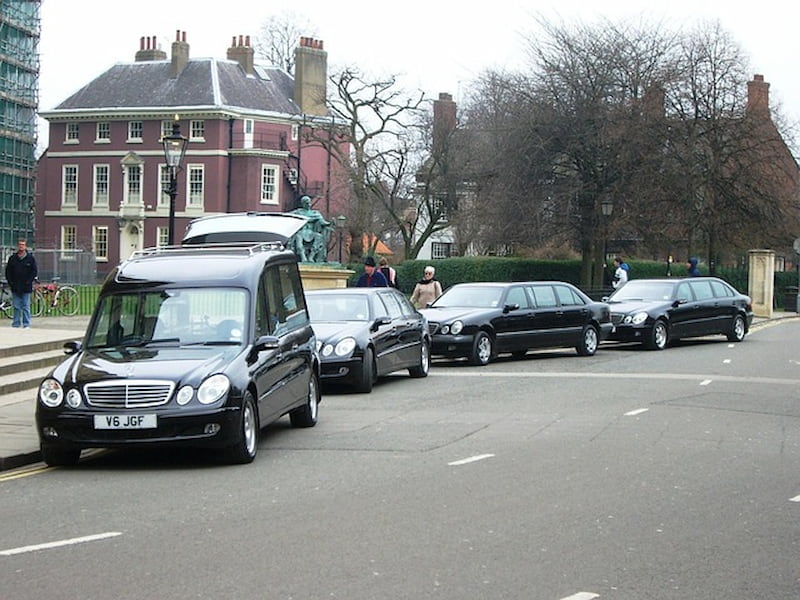
Limousines are large, luxurious cars – often black sedans – for the immediate family of the deceased person and close friends.
They typically seat 6 to 9 passengers and are usually driven by a chauffeur, who is separated from the passengers by a partition for privacy. There may be many cortege cars travelling in a convoy or motorcade.
Flower Cars
A flower car is typically a custom-built luxury vehicle with an open rear deck designed to transport and display large quantities of floral arrangements.
In some configurations, the flower car serves a dual purpose with a hidden compartment beneath the flower bed to carry the casket itself.
They often feature traditional funeral styling, such as padded vinyl tops, chrome railings, and formal wreaths on the side panels.
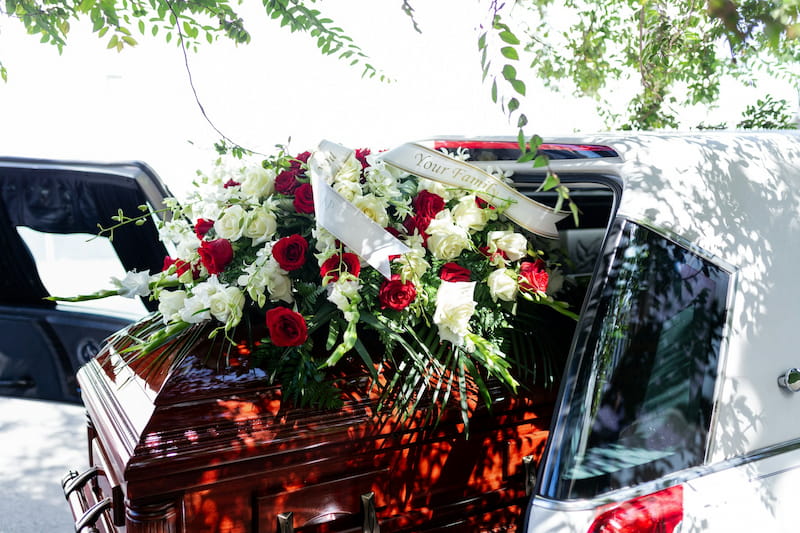
First Call Vehicles
This vehicle – which is often a converted minivan or a large SUV – is initially used by the funeral home to discreetly pick up the deceased after they have passed away.
This vehicle may be also used in the funeral procession itself.
Alternative Vehicles in a Funeral Procession
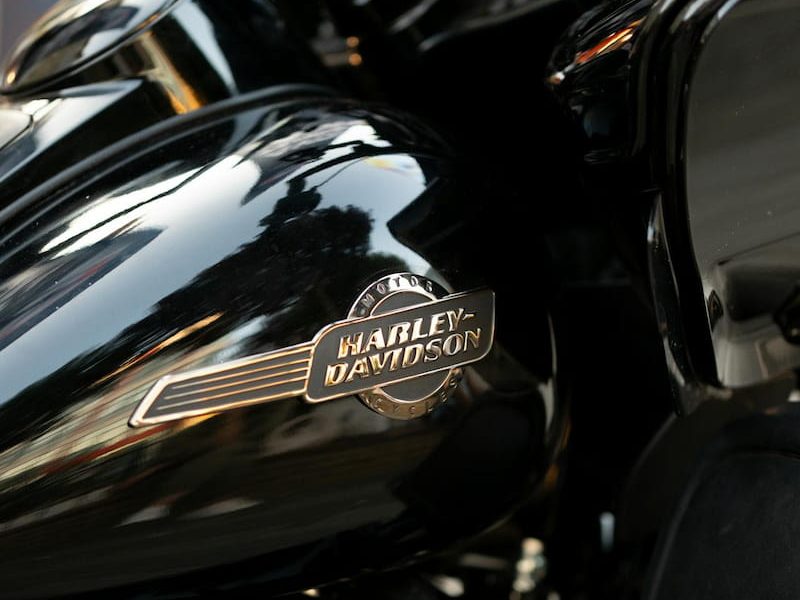
Motorcycle Hearses
This is a motorcycle with a casket trailer, offering a unique, sleek look. This option may be chosen when the deceased was an avid motorcycle rider.
Horse-Drawn Hearses
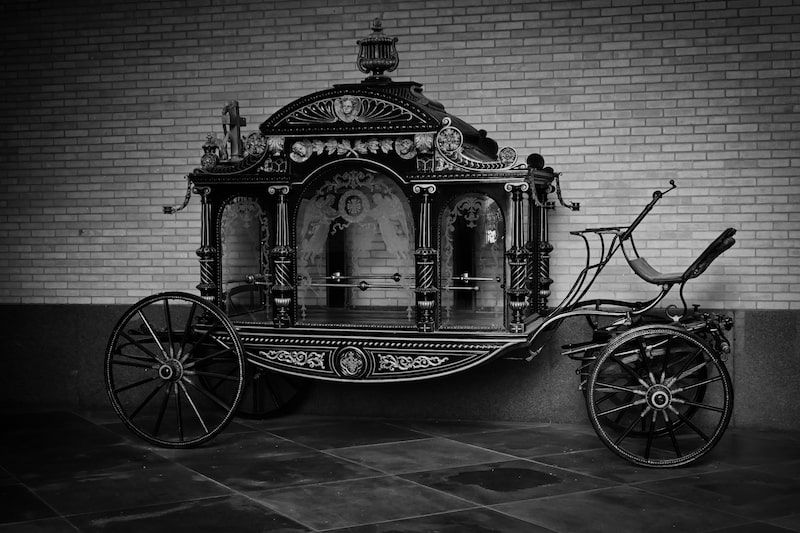
You are probably familiar with traditional carriages pulled by horses, offering a formal or classic feel.
This option may be an attractive one for wealthy families, families that have a love of horses, or families that live in rural areas.
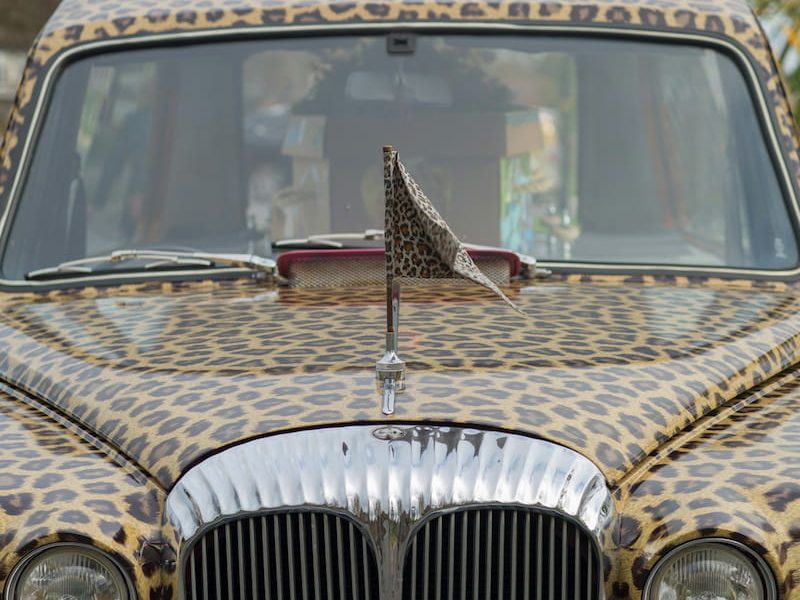
Personalized or Themed Vehicles
Any vehicle may be turned into a custom-made hearse, including camper vans, vintage cars, lorries, or school buses.
Another option is to use a traditional hearse, but one that is uniquely decorated.
Other Participants in a Funeral Procession
Lead Car or Escort Vehicle
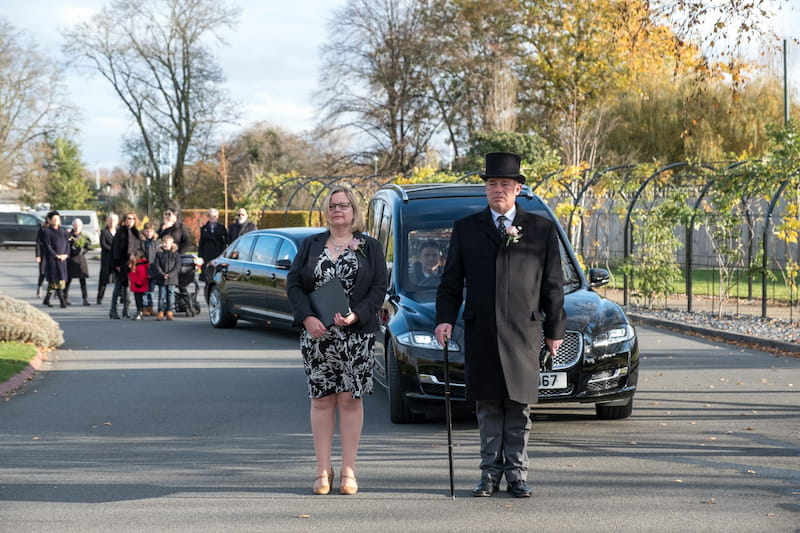
The lead car in a funeral procession is typically a black sedan from the funeral home, marked with flags (often white or brightly coloured), as well as flashing hazard lights.
It is typically driven by a funeral director or escort to guide mourners to their destination. The lead car is also a signal to motorists that a solemn funeral procession is underway.

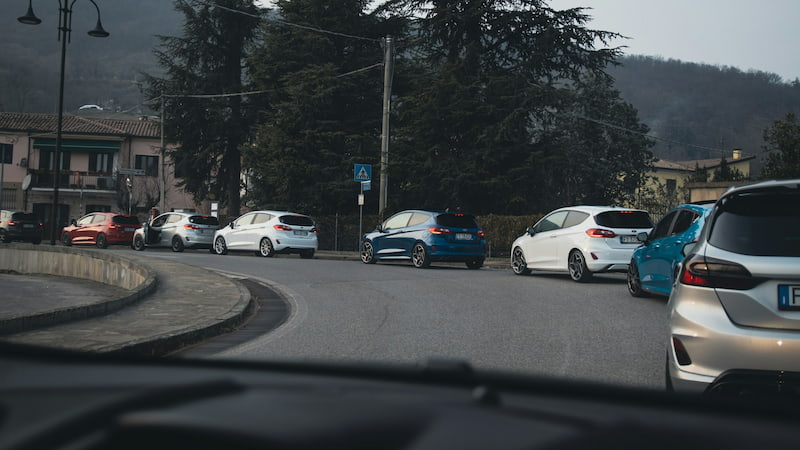
Mourners’ Vehicles
Family and friends follow in luxury limousines hired through the funeral home or their own personal vehicles.
The immediate family usually follow right behind the hearse, followed by other mourners, thereby creating the full funeral procession.
End Vehicle or Final Car
Its primary purpose is to signal to other motorists that the procession has concluded and that normal traffic flow may resume.
To distinguish it from other vehicles in the line, the end vehicle is often identified by two or three specific markers.
First, by two funeral flags. They are usually on both the driver and passenger sides. (In some places, the local custom is that other cars in the funeral procession only have one flag.)
Second, it is standard for the final car to have its hazard lights flashing to clearly signify the end of the line to following traffic.
Finally, like other cars in the funeral procession, the end vehicle may have special markers to identify that it is part of a procession. This includes customized stickers, ribbons, or magnetic signs provided by the funeral home.
While the hearse or funeral coach typically leads the casket near the front of the funeral procession, the end vehicle is often a staff car driven by funeral home personnel to ensure the procession remains unified and safe.


Driving in a Funeral Procession
Funeral processions typically travel at slow speed. All cars in the procession have their lights on and traffic should pull over and allow the procession to pass.
Unfortunately, however, nowadays this sense of community involvement and sign of respect paid to the deceased could be met with impatience and road rage from other drivers on the road who are travelling through the path of the procession.
For this reason, most modern funeral processions now tend to drive at, or just under, the speed limit to reduce frustration from other drivers on the road.
If you are participating in a funeral procession, here are some guidelines to keep in mind…
If you are a close friend or family member of the deceased but will be driving your own car in the funeral procession, you should try to arrive at the funeral service 45 minutes early to ensure that you can park near the front of the procession line.
Cars are typically parked in the order that they arrive.
Immediately after the funeral service, the pallbearers will carry the casket outside the funeral home or church and place it in the hearse for transport to the burial site.
Wait for a funeral attendant to direct you to get in your vehicle and be ready to follow those ahead of you in the procession line.
The procession is typically led by a ‘lead car’ (usually a black sedan or other large funeral car) and usually bears white funeral flags and has their hazard lights flashing.
This is a signal to other motorists that a funeral procession is moving through traffic.
The ‘lead car’ is then followed by the hearse, and then the immediate family of the deceased (usually in limousines), and then all the other vehicles driving in the procession.
Always watch the ‘lead car’ to ensure that you are going the right way.
Stay close to the car directly in front of you at all times throughout the funeral procession. You do not want to leave enough room for someone who is not driving in the procession to cut in from regular traffic.
You might also be asked to turn your headlights on while driving to the cemetery in the procession. This signifies to other motorists that you are part of a funeral procession.
Stay in place within the funeral procession. Do not leave the procession line except in the case of an emergency.
Once you have arrived at the cemetery, there will likely be an attendant from the cemetery there to lead motorists from the procession to the burial site.
At the burial site, wait in your vehicle for instruction from the attendant.
If you are unsure of what to do, ask the attendant. He or she will be happy to advice you on the best course of action.

Knowing Funeral Procession Laws
When it comes to driving in a funeral procession, be prepared to drive slower than usual.
Funeral processions typically go no faster than 50-65 kph (30-40 mph) on normal roads and 80 kph (55 mph) on highways, depending on the posted speed limits.
In countries like the USA and Australia, funeral processions have alegal right-of-way. The law treats the convoy as one long vehicle. Other drivers must yield, not cut in or interfere with the funeral procession.
However, the lead car must still obey initial traffic signals, and processions must yield to emergency vehicles or police direction. The vehicles following the lead car should stay with the funeral procession at all times, even if this means they are going through a red light at an intersection.
In other countries, like Canada and the UK, funeral processions don’t have a legal right-of-way.
However, there is still astrong traditionof showing respect to the mourners by pulling over to the side of the road in order to let the procession pass.
Despite the absence of a legal right-of-way, the etiquette is still for other motorists to give way, not cut in, and allow all of the vehicles in the funeral procession to stay together.
They should also yield at junctions and traffic lights if the lead car has already entered, even if their light is green, until the procession passes by them.
Sometimes, police will manage very large or slow processions to ensure safety and traffic control. They also provide security for grieving families, especially in high-profile cases.
We recommend checking with the funeral home for their speed recommendations and to verify the road rules in your particular state, county or province.

Encountering a Funeral Procession
If you encounter a funeral procession while driving, always be respectful.
Do not honk your hornat the vehicles in the funeral procession. People are in mourning, so loud noises that signal impatience will probably be upsetting.
Yield to the entire funeral procession. You are either legally required to do so, or it’s customary.
As soon as you see the lead car of the funeral procession, you should let the entire procession pass through, even if the traffic signal dictates that it is your turn to pass through the intersection.
Stop and wait until all cars in the funeral procession have passed. Never try to cut through the funeral procession.
Look for the last vehicle in the funeral procession.
The very last car in the funeral procession usually has two funeral flags and its hazard lights flashing to let other motorists that it is the last car in the funeral procession. Once the very last car has passed by, regular traffic may resume.
You should also bear in mind that you should never attempt to pass an entire funeral procession on the right side of the road (unless the procession is in the left lane).
If you find yourself feeling impatient because of a funeral procession and tempted to cut through it or around it, remember that the day may come when you are the mourner.
How would you like you and your family to be treated as you travel to lay your loved one to rest?

Discovering More Resources
We hope you found this article on funeral processions helpful.
Did you know that Love Lives On has a comprehensive library of articles on funeral planning, grieving, and celebrating your loved one’s life in unique ways?
Here are some other popular posts on our website:
- Practical advice on what to wear to a funeral
- Learn about the 5 stages of grief and how to cope
- Best examples to inspire you when writing a eulogy
- 100+ special ideas to commemorate someone’s life and legacy
For more tips, resources and shareable content, follow Love Lives On on Pinterest.
Finding Grief Support
If you are struggling with grief, please visit Love Lives On’s Business Directory to find a skilled therapist in your local area who can provide you with one-on-one compassionate guidance and support.
Our Business Directory is dedicated to helping you find the very best end-of-life professionals, including grief counsellors, funeral homes, monuments makers, florists, celebrants, estate lawyers, and so much more.
Businesses with Featured Listings in our directory – the comprehensive listings that appear at the top of search results with photos, reviews, and map directions – have all been carefully vetted by our team so that you don’t have to take on this laborious task.
Unlike other directories, joining Love Lives On is by invitation only. We work with an exclusive list of businesses. You can trust that businesses with Featured Listings meet the highest standards for quality, professionalism and reliability.
We know that losing a loved one is a difficult experience.
Our mission at Love Lives On is to make your life a little easier by providing you with the best information online, as well as connecting you with caring and skilled professionals in your local area who are ready to help you today.
If we can assist you in any further way, please don’t hesitate to reach out to us via our contact form or social media channels. We love hearing from you and from other members of this devoted online community.
Finally, on behalf of all of us at Love Lives On, please accept our deepest condolences for your loss.